
Dental care begins long before the first tooth “pops.” Following these age-specific milestones ensures your child develops a healthy foundation for their permanent teeth.
0 to 6 Months: The Pre-Teething Phase
Even without visible teeth, oral bacteria can build up on the gums.
- Oral Hygiene: Gently wipe your baby’s gums with a clean, damp washcloth or gauze after feedings.
- Nutrition: Infants should be exclusively breastfed for approximately the first 6 months of life
- Avoid “Bottle Propping”: Never leave a baby with a bottle in their crib. This prevents “Baby Bottle Tooth Decay,” caused by prolonged exposure to milk sugars.
6 to 12 Months: The First Tooth & The First Visit
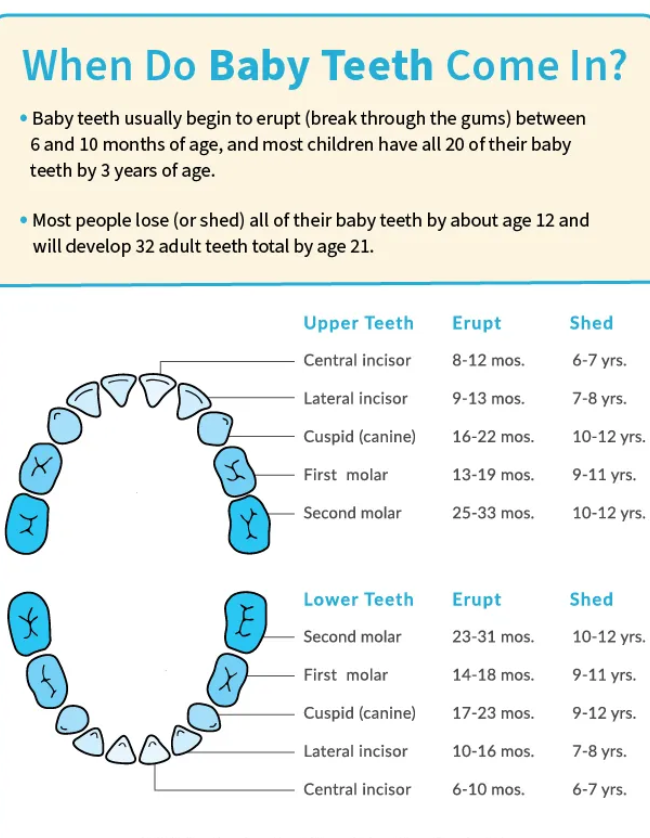
Most babies get their first tooth (usually the lower central incisors) during this window.
- The “First Visit” Rule: The AAP recommends your baby see a dentist within six months of the first tooth appearing, or by their first birthday.
- Brushing Begins: As soon as the first tooth erupts, start brushing twice a day (morning and night).
- Fluoride Guidance: Use a “smear” of fluoride toothpaste no larger than a grain of rice, specific to their age.
12 to 24 Months: Establishing Routine
As more molars begin to emerge, the risk of trapped food increases.
- Weaning the Bottle: The AAP suggests transitioning fully from the bottle to a cup by 15 months to prevent pooling of liquids around the teeth.
- Dietary Habits: Limit 100% fruit juice to no more than 4 ounces per day, though whole fruit is preferred. Avoid all sugar-sweetened beverages.
- The “Lift the Lip” Check: Continue monthly inspections. Look for chalky white spots (early decay) or dark spots (cavities).
3 Years and Up: The “Pea-Sized” Transition
By age three, most children have all 20 of their primary teeth.
- Toothpaste Increase: You can now increase the amount of fluoride toothpaste to a pea-sized amount.
- Spitting Practice: Teach your child to spit out the excess toothpaste rather than swallowing it.
- Supervision: While toddlers want independence, the AAP recommends parents continue to brush their child’s teeth (or provide a “thorough follow-up” brush) until the child is at least 7 or 8 years old.
When do baby teeth come in?
Symptom Management: Teething vs. Illness
It is a common misconception that teething causes high fever or diarrhea. According to the AAP:
- Normal Teething: Low-grade temperature (under 101°F or 38.3°C), fussiness, and increased salivation.
- Not Teething: If your baby has a fever over 101°F, vomiting, or a persistent cough, these are likely signs of a viral illness and require a call to your pediatrician.
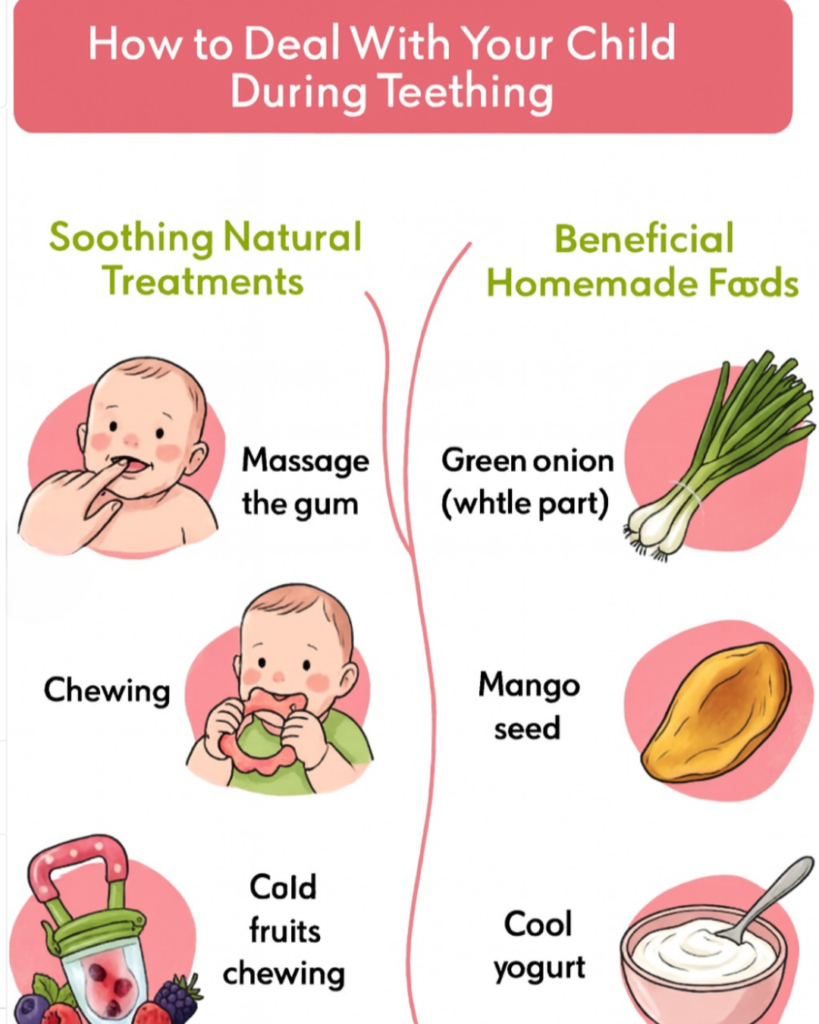
Recommended Soothing Techniques
- Manual Pressure: Use a clean finger to rub the gums.
- Cold Objects: Use solid (not liquid-filled) teething rings or a cold washcloth.
- Medication: Use acetaminophen or ibuprofen only under a doctor’s guidance. Avoid topical teething gels containing benzocaine or belladonna, as the FDA and AAP have issued warnings against them for infant safety.
Summary of Dental Standards
| Age | Toothpaste Amount | Major Milestone |
| 0–6 Months | Water/Cloth only | Gum cleaning after feeds |
| 6–36 Months | Grain of rice size | First dental visit by age 1 |
| 3+ Years | Pea size | Learning to spit, not swallow |
Leave a Reply
You must be logged in to post a comment.