
Introducing vegetables to babies and toddlers is one of the most common feeding challenges. Many infants push away plates of broccoli or grimace at the sight of green purees, which can make parents worry about nutrient gaps in their diet. The good news is you don’t need to force‑feed vegetables or rely on extreme “veggie‑hiding” tricks. Instead, you can strategically blend vegetables into foods your baby already enjoys, using textures and flavors they trust.
This article outlines five pediatric‑nutrition‑friendly ways to add vegetables to baby food so seamlessly that your little one may not even notice, but their body will clearly benefit. Each method is designed to support healthy growth, support early feeding skills, and align with general infant nutrition guidelines.
Why Sneaky Veggie‑Adding Works
Before diving into recipes, it helps to understand why “sneaking” veggies often works better than insisting on a plate of plain greens.
- Taste preferences develop early: Babies tend to prefer sweet and creamy flavors, which is why they usually accept fruit purees and dairy‑based foods more readily than bitter or earthy vegetables.
- Texture tolerance matters: Introducing a new texture can be more challenging than a new flavor. Mixing vegetables into familiar textures (like oatmeal, smoothies, or purees) reduces rejection.
- Exposure builds acceptance: Repeated, low‑pressure exposure to vegetables in different forms hidden in favorite foods, blended into sauces, or tucked into baked goods helps babies gradually accept them on their own.
By using these strategies, you’re not “fooling” your child; you’re gently expanding their palate and nutrient intake in a developmentally appropriate way.
1. Blend Veggies into Baby Purees
The easiest way to add vegetables to baby food is by mixing them into purees your baby already likes. This approach keeps flavors mild and textures consistent, which is ideal for 6 –12 month old baby.
Examples:
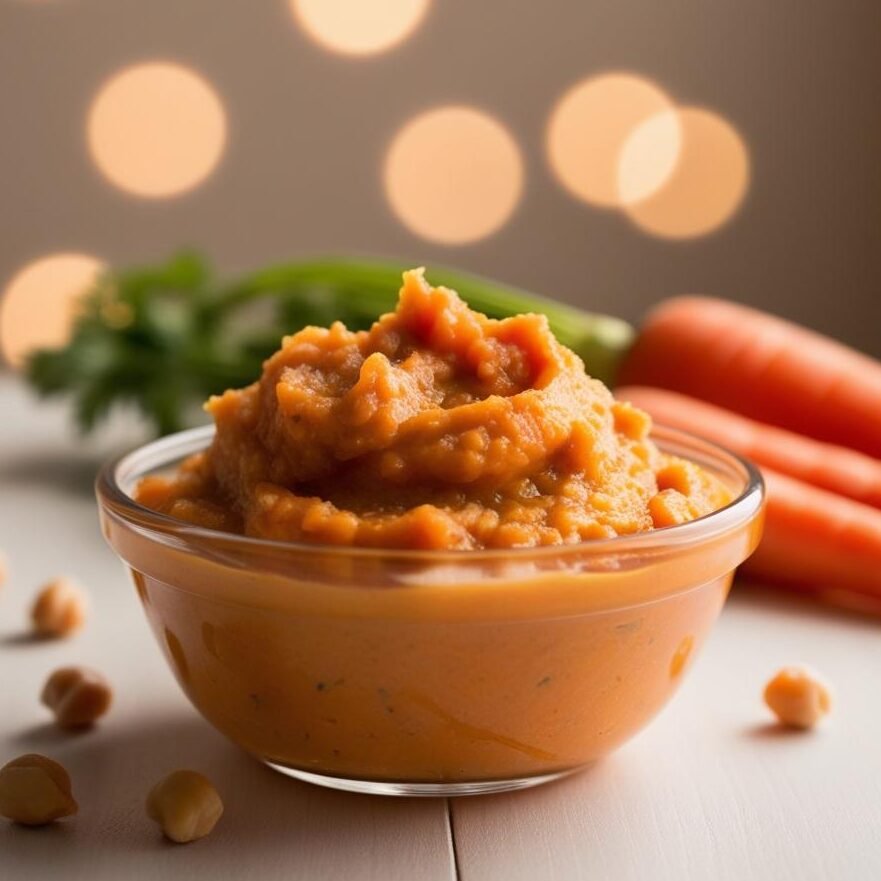
- Sweet potato + carrot puree: Steam sweet potato and carrot until very soft, then blend into a smooth consistency. Add a small amount of breast milk, formula, or plain yogurt to thin the puree and enhance creaminess. This combination is naturally sweet, rich in vitamin A, and easy to digest.
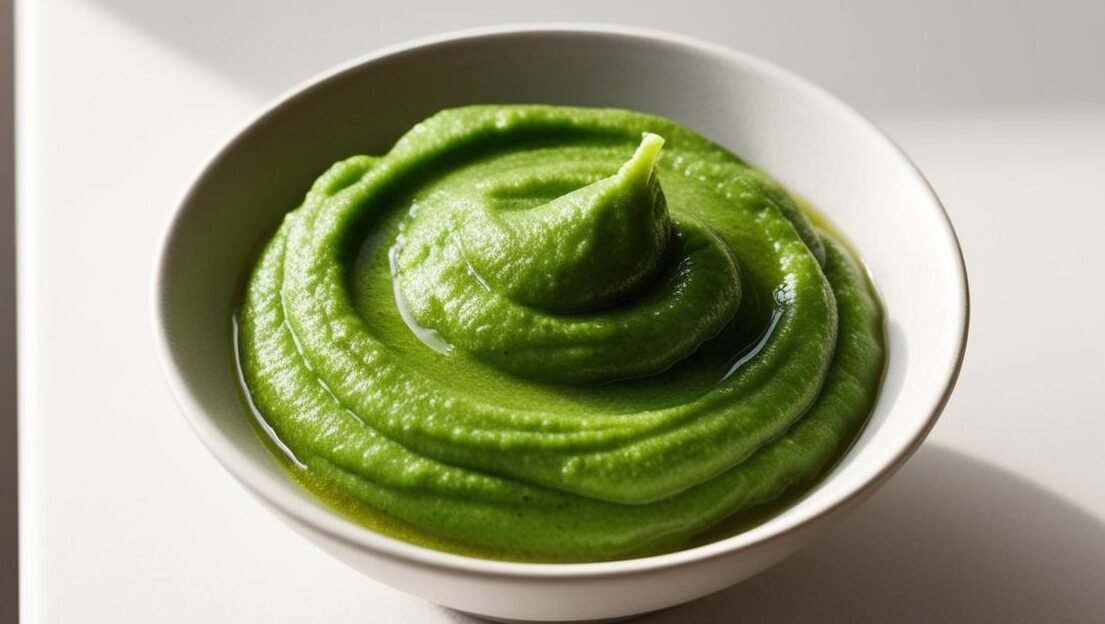
- Spinach + banana puree: Lightly cook spinach (1–2 minutes) to reduce oxalates, then blend with ripe banana and a splash of milk or water (better to delay spinach introduction till +9 months). The sweetness of the banana masks the leafy taste, while spinach quietly contributes iron, folate, and vitamin K.
Practical tips:
- Start with a single ingredient for 3 days, then introduce combinations with 1–2 teaspoons of vegetables per serving, gradually increasing as your baby tolerates it.
- Always ensure vegetables are thoroughly cooked and blended to a stage‑appropriate texture (smooth for beginners, slightly thicker for more advanced eaters).
2. Mix Veggies into Smoothies and Oatmeal
If your baby enjoys smoothies or oatmeal, these are excellent vehicles for adding vegetables in a way that looks and tastes like a treat.
Smoothie ideas:
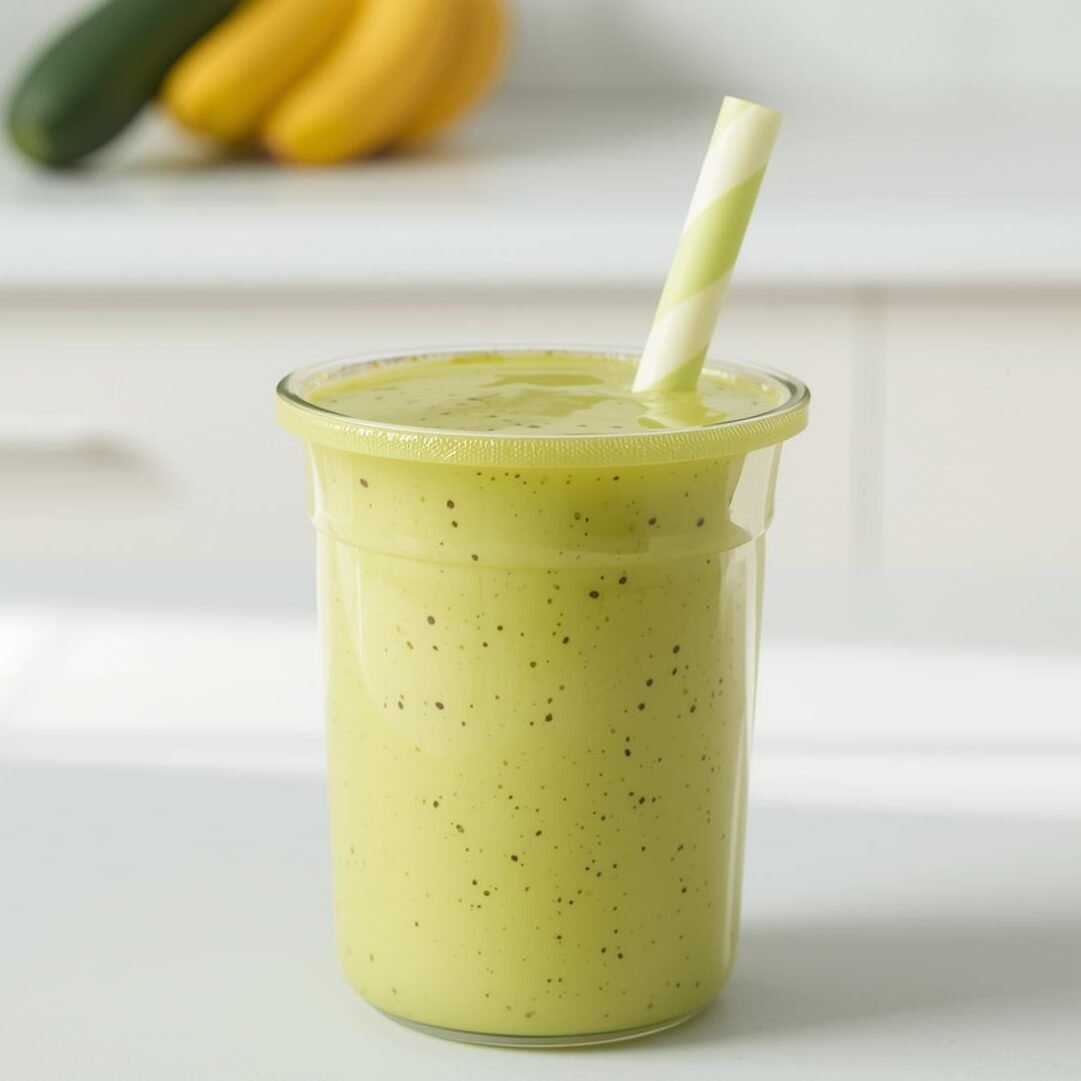
- Banana‑zucchini smoothie: Blend ½ ripe banana with 2–3 tablespoons of cooked zucchini and a splash of breast milk, formula, or water. The zucchini adds fiber and water content without changing the flavor significantly.
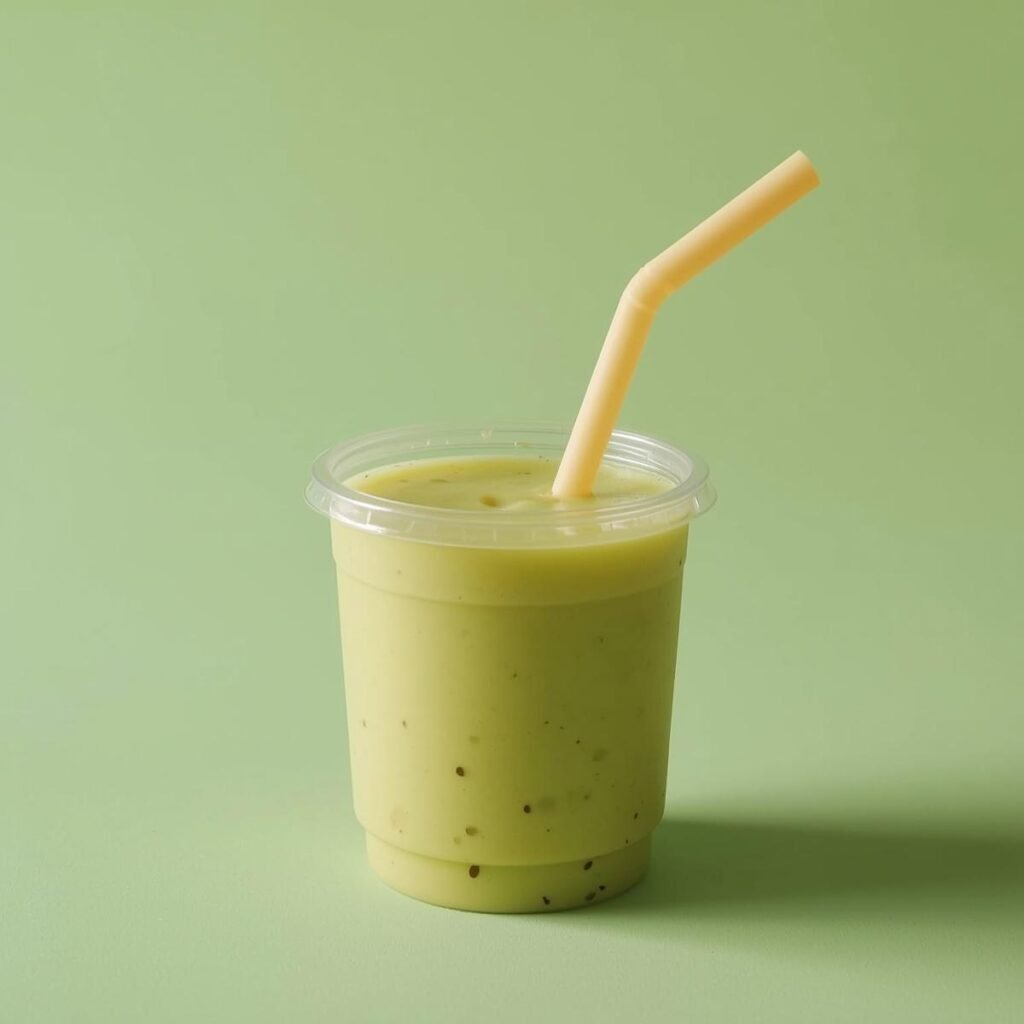
- Pear‑broccoli smoothie (for older babies): Lightly steam broccoli, then blend with pear and a small amount of liquid. The sweetness of the pear covers any bitterness, and the soft texture is easy to gulp.
Oatmeal upgrades:
- Stir 1–2 tablespoons of mashed pumpkin, carrot, or sweet potato into warm cooked oatmeal.
- Add a pinch of cinnamon (if your baby tolerates spices) to enhance the natural sweetness and make the meal more appealing.
3. Hide Veggies in Homemade Pancakes or Muffins
Mini pancakes and muffins are perfect for sneaking in vegetables while keeping the dessert‑like feel. These are especially useful for older babies and toddlers who are exploring finger foods and self‑feeding.
Carrot‑banana pancakes:
- Mash 1 ripe banana, add 1–2 tablespoons of grated carrot, one egg, and 2–3 tablespoons of whole‑grain flour.
- Cook on low heat into small, soft pancakes. The banana dominates the flavor, while the carrots quietly add vitamin A and fiber.

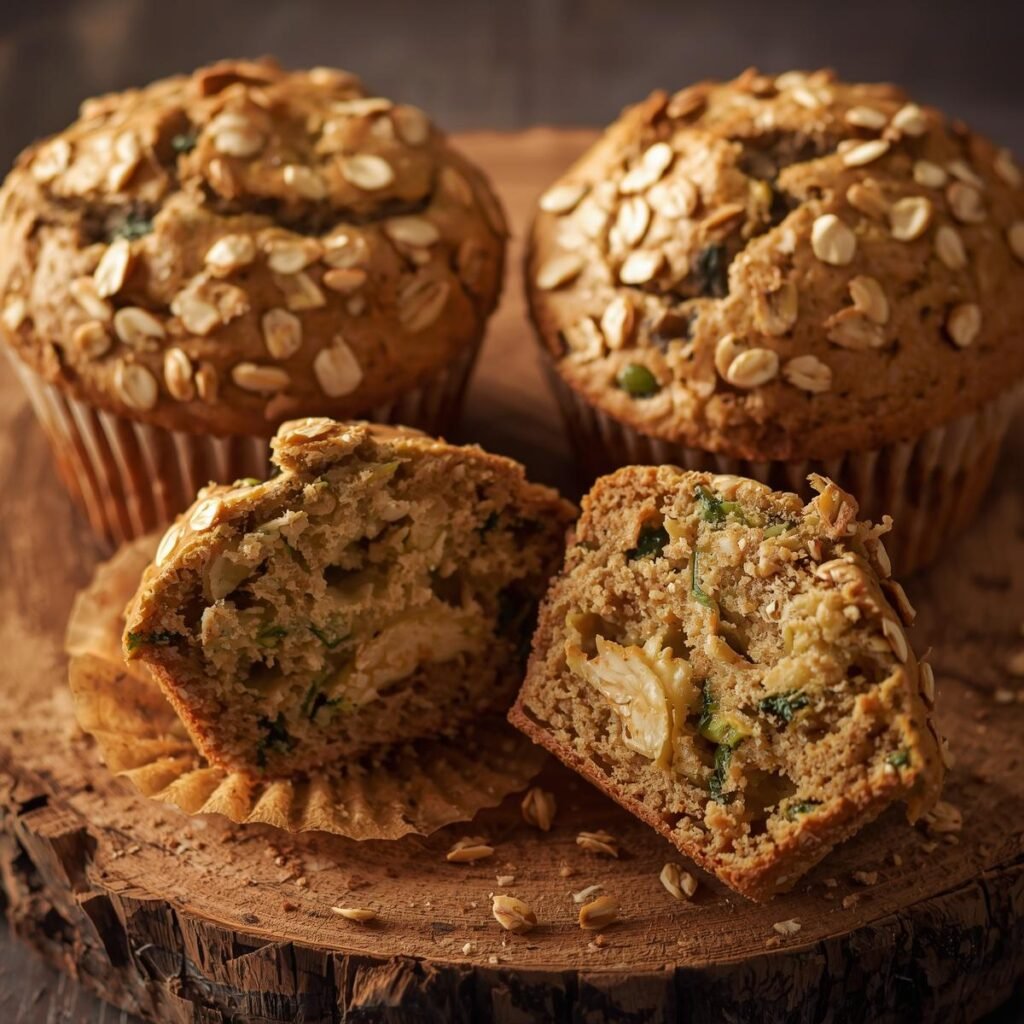
Zucchini‑oat muffins:
- Grate zucchini, then mix with mashed banana, oats, one egg, and a splash of milk.
- Bake until golden and slice into soft sticks or small cubes for baby‑led weaning. The zucchini keeps the muffins moist and adds fiber, but the banana flavor remains the main attraction.
Important notes:
- Avoid added sugar; rely on natural sweetness from fruits and vegetables.
- Offer with supervision and appropriate textures for your baby’s age and chewing ability.
4. Blend Veggies into Sauces and Dips
Sauces and dips are excellent tools for adding vegetables to pasta, rice, toast, and other familiar foods your baby already enjoys.
Creamy carrot or pumpkin sauce:
- Steam carrots or pumpkin until very soft, then blend with a small amount of breast milk, formula, or plain yogurt.
- Toss with cooked pasta, mix into rice, or serve as a dip for soft bread strips. This sauce is rich in vitamin A and fiber and feels like a comforting, creamy topping.
Spinach‑cheese sauce (for toddlers):
- Lightly cook spinach, then blend with a small amount of mild cheese (if tolerated) and a splash of milk until smooth.
- Use as a topping for steamed vegetables, pasta, or baked potatoes.
5. Bake Veggies into Familiar Baked Foods
Using baked foods as a base for vegetables is another powerful “sneaky” strategy. Baked goods are often seen as treats, which makes them a great way to introduce vegetables in a positive context.
Sweet potato “bread” :
- Mash the cooked sweet potato, then mix with whole‑grain flour, 1 egg, and a splash of milk.
- Bake into a soft loaf and slice into stick‑like pieces for baby‑led weaning. The color looks similar to banana bread, but the nutrition is packed with vitamin A and fiber.
Veggie‑scrunchies (soft veggie balls):
- Blend steamed carrots, zucchini, or peas with mashed banana or oats into a soft dough.
- Roll into small balls and bake until tender. These are perfect for self‑feeding and texture exploration, and they can be frozen or batch‑prepared for busy days.
Key Tips for Success
To maximize both acceptance and nutritional benefit, keep these principles in mind:
- Start small and scale up: Begin with 1–2 teaspoons of vegetable per serving and gradually increase as your baby tolerates it.
- Respect texture and age‑stage: Always match texture to your baby’s developmental stage, smooth purees for beginners, lumpier textures for more advanced eaters.
- Avoid added sugar and salt: Do not add sugar or salt to baby food. Let natural sweetness and creaminess do the work.
- Watch for allergies: Introduce new vegetables one at a time and monitor for any reactions over 3–5 days.
- Pair with positive feeding practices: Offer veggies in a calm, pressure‑free environment, and let your baby explore at their own pace.
By using these five sneaky yet sensible strategies, you can help your baby enjoy vegetables regularly, reduce mealtime battles, and support long‑term healthy eating habits all without the “no refusal” drama.
Discover:
200 Delicious Meals for Babies Under One
Welcome to Your Baby’s Culinary Adventure! Nourish your little one with a delightful variety of meals designed just for them! Our eBook offers a treasure trove of recipes that are not only nutritious but also bursting with flavors tailored for tiny taste buds.
or
100 Delicious & Healthy Recipes for Your 1-Year-Old baby
The ultimate guide to making healthy, tasty, and easy meals for your toddler
Why This Book is a Must-Have for Moms
As a mom, you want to provide the best nutrition for your growing child. This book is packed with 100 easy-to-follow recipes that are not only delicious but also packed with the nutrients your child needs to grow strong and healthy.
- Quick and easy recipes for busy moms.
- Nutritious ingredients tailored for toddlers 1 year old.
Leave a Reply
You must be logged in to post a comment.