
Your cart is currently empty!
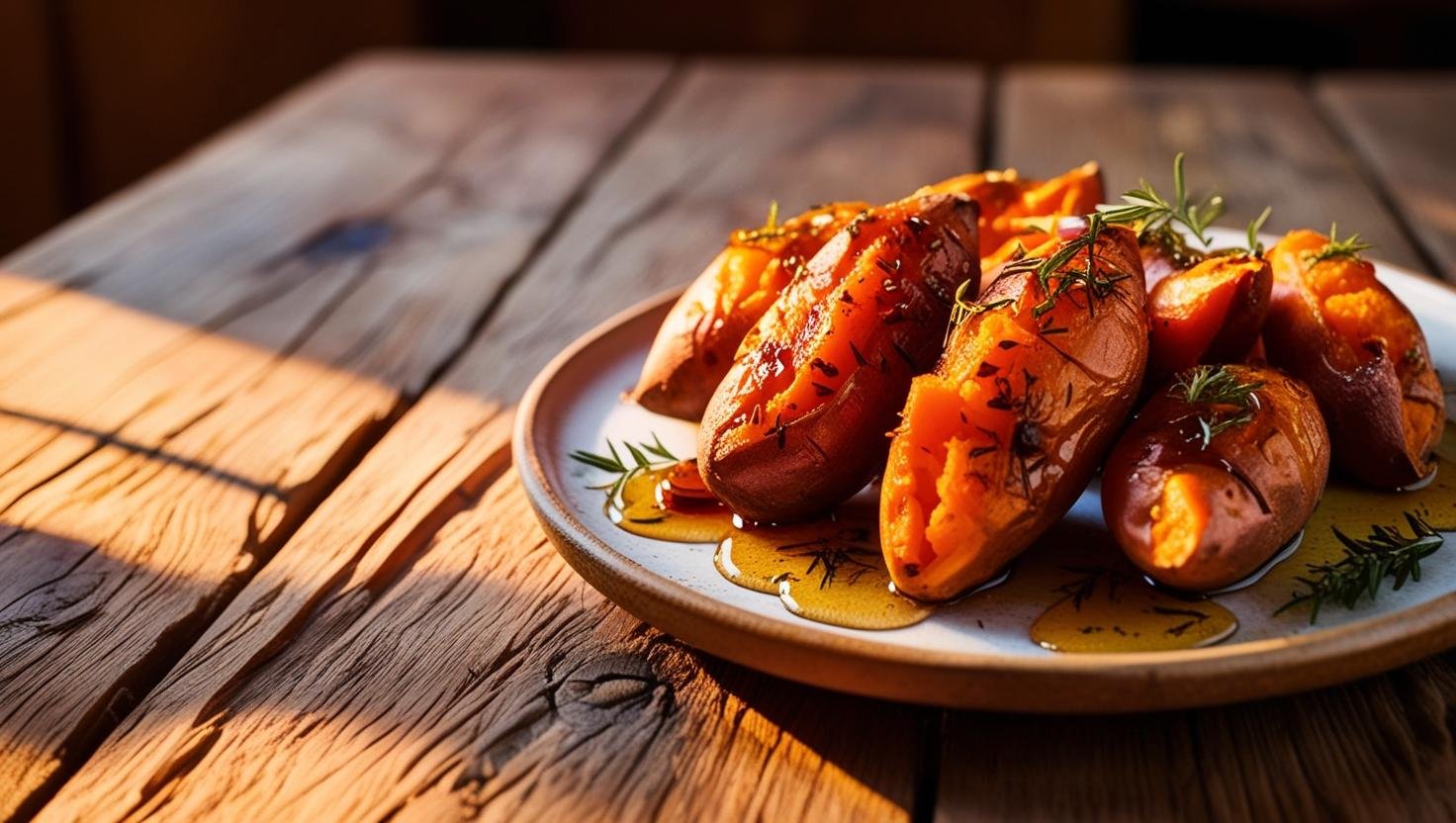
Benefits of Sweet Potato for your little ones:
Sweet potatoes are one of the best foods to be introduced to 4-6-month-old babies.
Benefits of sweet potato for your babies:
- Sweet potatoes are rich in Nutrients:
- Vitamin A: Boosts the immune system and eye health.
- Vitamin C: Helps with iron absorption and boosts the immune system.
- Potassium: Helps regulate blood pressure.
- Fiber: Aids in digestion and prevents constipation.
- Antioxidants: Protect against diseases.
- Energy Source:
- A rich source of calories, helping babies gain weight.
- It provides the energy babies need for growth and activity.
- Easy to Digest:
- Sweet potato is easy for babies to digest.
- It usually doesn’t cause any allergies in babies.
- Delicious Taste:
- Most babies love the taste of sweet potato.
- You can serve it in various ways.
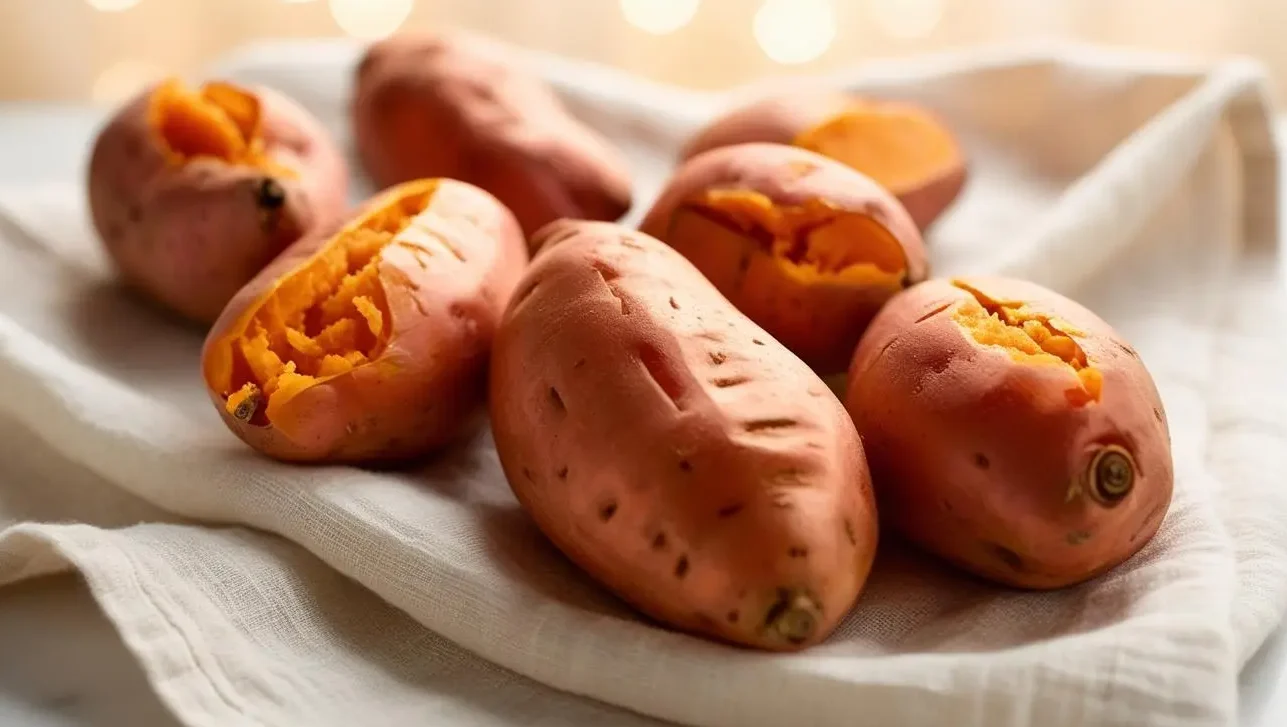
Does sweet potato cause constipation in babies???
Generally, sweet potatoes do not cause constipation in babies. Sweet potato contains fiber, which aids in digestion and prevents constipation. However, it’s important to note that the effect of sweet potatoes on babies may vary from one case to another. Some babies can tolerate and digest sweet potatoes well, while sweet potatoes can cause constipation in others.
Some situations where sweet potato might cause constipation in babies:
- Consuming a large amount of sweet potato at once.
- Not drinking enough water.
- Consuming unripe sweet potato.
Sweet Potato for 4-6 Month-Old Babies
Sweet potatoes can be introduced to a 4-month-old baby if they show signs of readiness for solid foods. If your baby isn’t ready, you can introduce sweet potato at 5 months.
How to Introduce Sweet Potato
to a 4-6 Month-Old Baby??
Here’s a general guide on introducing sweet potato to a 4-6 month-old:
Ensure your baby’s readiness cues: https://babyfoodessentials.com/readiness-cues-of-your-baby Your baby should be able to sit with support and show signs of readiness to try solid foods, such as being able to grasp objects and bring them to their mouth.
Prepare the sweet potato: Peel and wash the sweet potato thoroughly before cooking. You can cut it into small pieces and boil or bake it until it’s soft and easy to mash.
Mash the sweet potato: Using a small spoon, gently mash the steamed sweet potato pieces. You can add breast milk or formula to achieve the desired consistency.
Start with a small amount: Offer only 1/2 to 1 teaspoon to your little ones.
Monitor your baby’s reaction: Watch for any signs of allergies to sweet potatoes. It may take a few tries for your baby to develop a taste for sweet potato, so repeat the attempts if they refuse it initially.
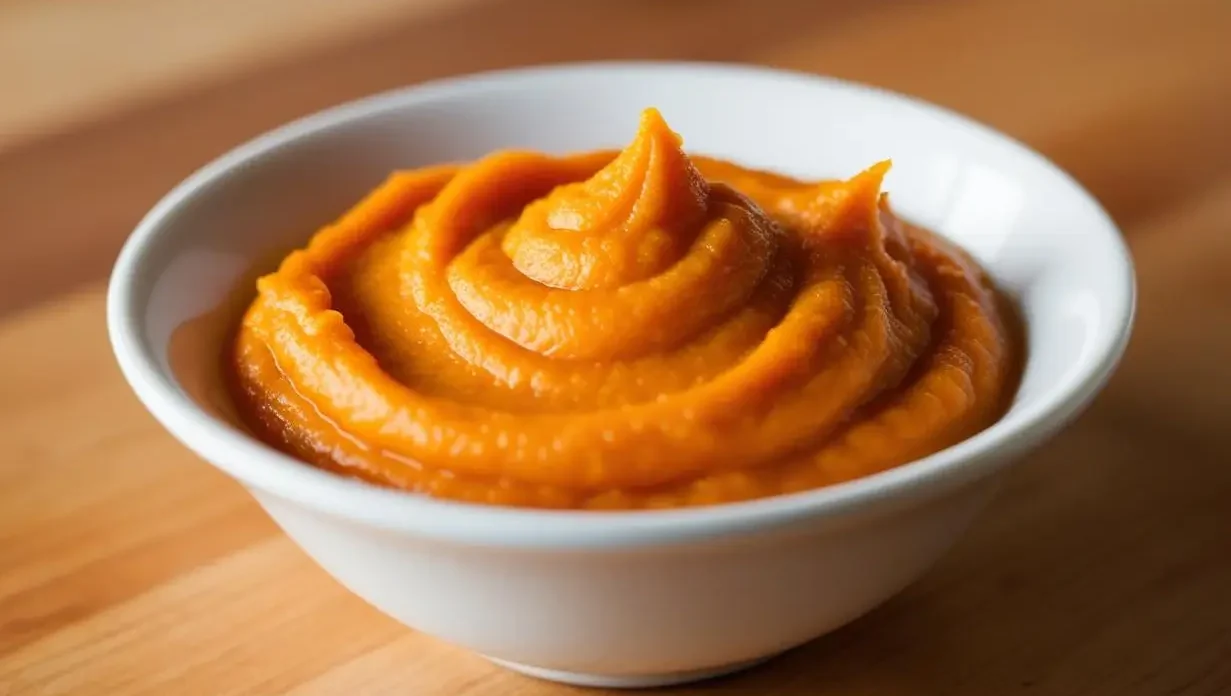
Sweet Potato Allergies in Babies
While sweet potato allergies in babies are rare, and it’s generally considered safe to introduce as a solid food, it’s important to be vigilant and observe for any adverse reactions.
When introducing sweet potatoes, watch for potential allergy signs such as:
- Skin rash, redness
- Swelling of the lips or face
- Difficulty breathing
- Severe vomiting
If you notice any of these signs, stop feeding the sweet potato and contact your doctor immediately.

Potential Risks of Sweet Potato for Babies:
Although sweet potato offers many health benefits, there are some potential risks to consider when consumed in large quantities or specific cases:
- Weight Gain: Sweet potatoes can be high in calories and sugars, which could contribute to weight gain if consumed excessively and frequently.
- Increased Blood Sugar: Due to its high sugar content, excessive consumption of sweet potatoes can lead to increased blood sugar levels. This can be a concern for children with blood sugar control issues.
- Potato Allergy: Some children may have allergies to sweet potatoes or other components within them. Consuming sweet potatoes can trigger allergic reactions such as rashes, itching, or respiratory congestion.
- Digestive Issues: In some cases, sweet potato can cause digestive problems like bloating and gas due to its fiber content and slightly difficult-to-digest starch.
Sweet potato should be consumed in moderation and as part of a balanced diet.
If your child has any specific health conditions or a family history of allergies, it’s best to consult a doctor before including sweet potatoes in their diet.
Nutritional Value of Sweet Potato :
| Nutrient | Amount in 124g of Sweet Potato |
|---|---|
| Energy (calories) | 108 |
| Protein (g) | 2 |
| Fat (g) | 3 |
| Fiber (g) | 2.48 |
| Iron (mg) | 0.7 |
| Magnesium (mg) | 19.8 |
| Phosphorus (mg) | 50.8 |
| Potassium (mg) | 259 |
| Sodium (mg) | 306 |
| Selenium (mcg) | 0.9 |
| Vitamin C (mg) | 12.8 |
| Folic acid (mcg) | 7.44 |
| Choline (mg) | 14.4 |
| Vitamin A (mcg) | 823 |
| Beta-carotene (mcg) | 9,470 |
| Vitamin K (mcg) | 5.1 |
Sweet potato puree ideas
for your little ones :


Sweet Potato recipes for
toddlers :
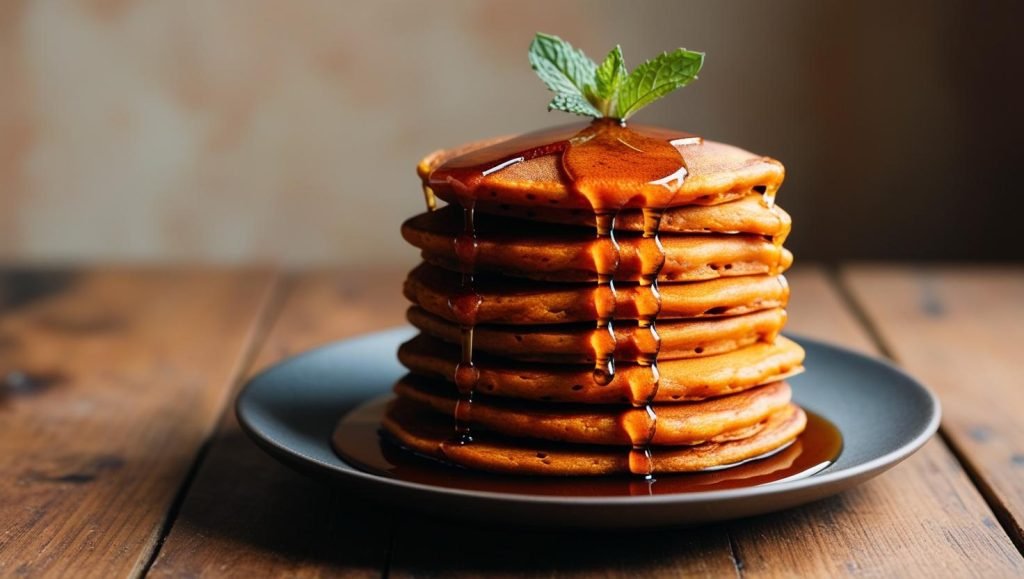
(1) Sweet Potato Pancakes:
ingredients:
- 1 medium sweet potato
- 1 cup milk
- 1/2 teaspoon cinnamon
- 1/2 teaspoon vanilla extract
- 1 large egg
- 1 cup flour, whole wheat
- 2 teaspoons baking powder
- 1/4 teaspoon salt
instructions:
- Cook sweet potato (this can be done the night before). You will need 1/2 cup mashed.
- Blend the first five ingredients in a blender, until smooth.
- Whisk together the flour, baking powder, and salt. Add the sweet potato mixture and stir just until combined.
- Add more milk if needed for the consistency of pancake batter.
- Pour the batter onto a hot griddle greased with nonstick cooking spray. Flip the pancakes when they begin to bubble and are golden brown on both sides.
- Serve warm topped with sliced bananas, yogurt, and a drizzle of maple syrup.
(2) Mini Egg Muffins with Cheese and Veggies:
ingredients:
- 1 tablespoon onion, peeled and grated (or ¼ teaspoon onion powder)
- 1/2 cup butternut squash, finely grated (or leftover diced roasted squash, minced broccoli, colored pepper, grated carrot, or minced spinach)
- 2 eggs lightly beaten
- 1/2 cup cottage cheese (drained if needed)
- 1/4 cup shredded cheddar cheese
- 2 tablespoons grated Parmesan cheese
instructions:
- Preheat oven: Preheat your oven to 350°F (175°C).
- Combine ingredients: In a medium bowl, whisk together the eggs. Stir in the grated onion, sweet potato, cottage cheese, shredded cheddar cheese, and Parmesan cheese.
- Pour into a pan: Pour the egg mixture into a greased 9-inch pie plate or oven-safe skillet.
- Bake: Bake for 20-25 minutes, or until the frittata is set and golden brown.
- Cool and serve: Let the frittata cool for a few minutes before slicing and serving.
Tips:
- You can add other vegetables to the frittata, such as bell peppers, mushrooms, or spinach.
- If you don’t have cottage cheese, you can use ricotta cheese or Greek yogurt instead.
- To make the frittata ahead of time, you can bake it and then reheat it later

Ready to give your baby the best nutritional start ?
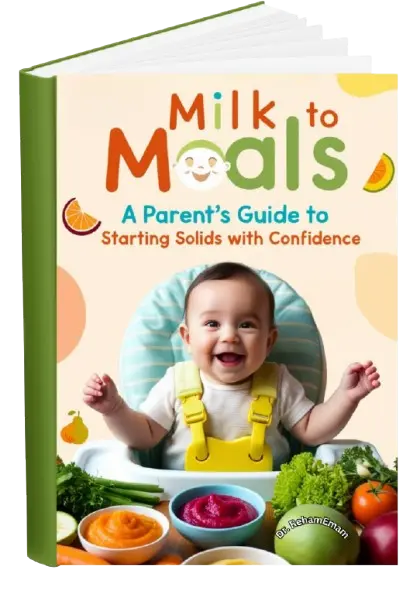
Transform mealtimes from stressful to successful !➡️ Get “Milk to Meals: A Parent’s Guide to Starting Solids with Confidence” now at 50% off!
Inside you’ll discover:
- When and how to introduce first foods safely
- 60+ nutritious baby recipes
- Expert guidance on preventing allergies
- Complete meal planners and shopping lists
- Evidence-based advice from Dr. Reham, pediatric nutritionist
Don’t miss this opportunity to make your baby’s nutrition journey easier and more confident. Click below to download your copy immediately!
Leave a Reply
You must be logged in to post a comment.