
Your cart is currently empty!
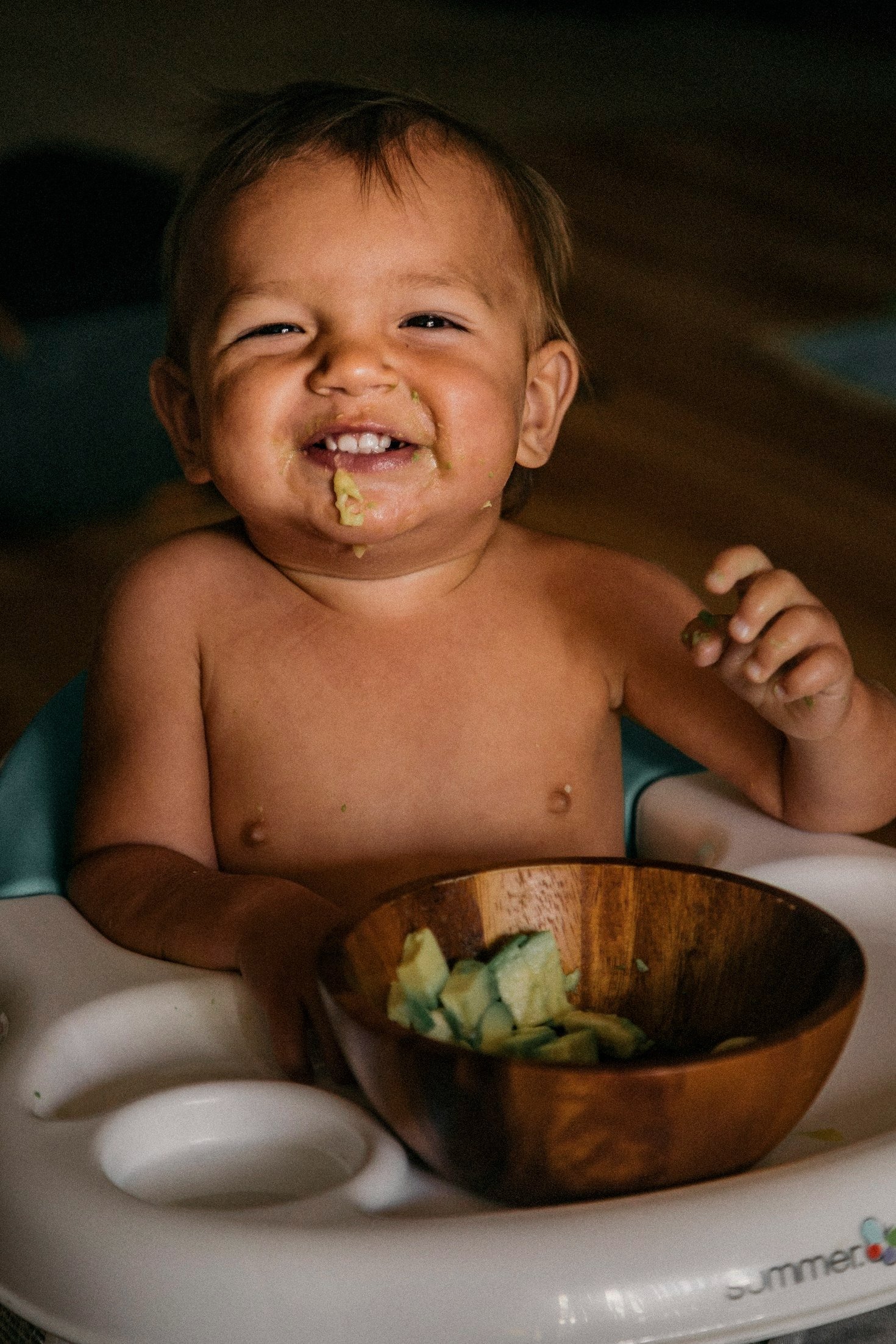
Baby Feeding Journey: Feeding your baby is one of the most important things you’ll do as a parent. It’s not just about providing nourishment; it’s about bonding, nurturing, and setting the foundation for healthy eating habits. This blog post will offer tips and advice on the different feeding stages your baby will go through in the first year of life.
” Every spoonful is a story, a whispered promise of growth, of a future filled with adventure. “
Newborn Stage (0-3 months):
Focus on milk: Whether breastfeeding or formula-feeding, your baby’s primary and only source of nutrition will be milk.
Feeding on demand: Newborns have tiny stomachs and need to eat frequently. Feed them whenever they show signs of hunger, such as rooting, sucking on their hands, or crying.
Building a bond: Skin-to-skin contact during feedings helps regulate your baby’s temperature, heart rate, and breathing and strengthens your bond.
Introducing Solids (4-6 months):
- Signs of readiness: Before diving into delicious purees, let’s explore the signs that your baby is ready for solid foods:
– Age: Around 4-6 months is the typical timeframe, but every baby develops at their own pace.
– Head Control: Your baby can hold their head steady when upright.
– Sitting Up with Support: They can sit with some assistance, indicating good neck and core strength. (indicated by the ability to push up from the prone position with straight elbows)
– Loss of Tongue Thrust Reflex: This reflex pushes food out of the mouth. When it fades, your baby can move food around their tongue and swallow.
– Interest in Food: Your baby shows curiosity about your meals, reaching for food or mimicking your eating actions. - Starting Points:
– Single-ingredient purees: Sweet potato, avocado, apple sauce, carrots, peas
– Introduce one new food at a time to monitor for allergies. - Important Considerations:
– Allergy Awareness: Watch for signs of allergies (rash, vomiting, diarrhea).
– Iron-rich Foods: Introduce iron-fortified cereals and pureed meats early on.
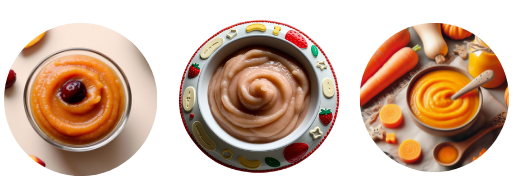
Exploring Textures (6-9 months): Expanding Flavor Palates
- Mashed and minced foods: As your baby’s motor skills develop, you can introduce mashed and minced foods.
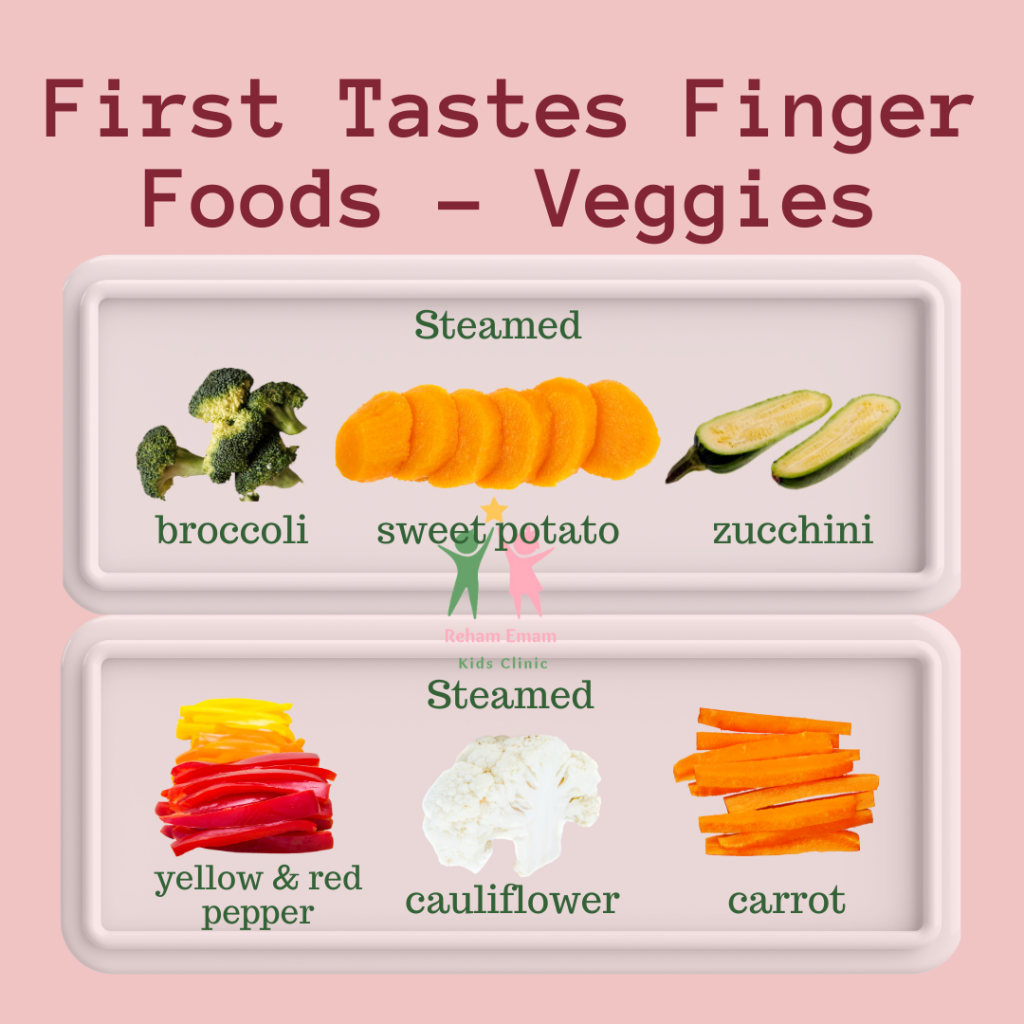
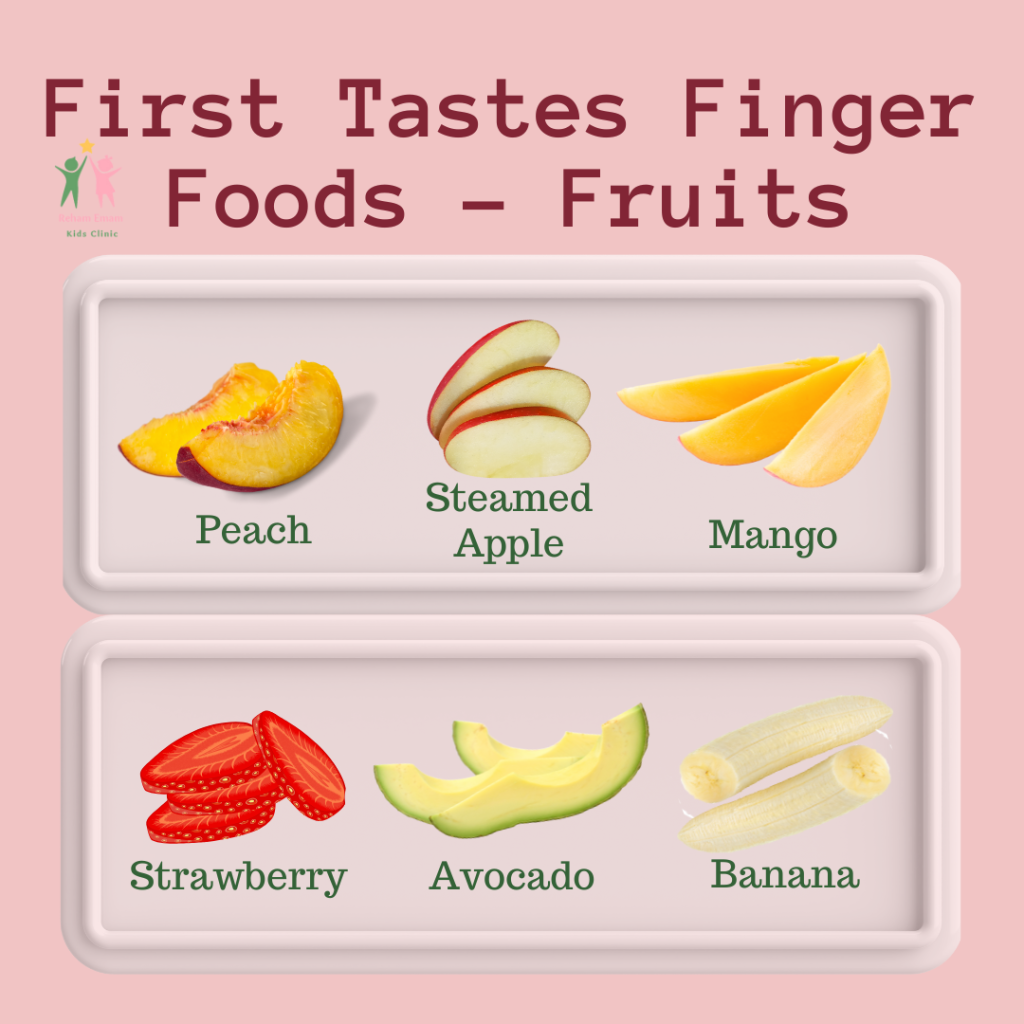
- Finger foods: Offer soft, easily-grasped foods like steamed vegetables, soft fruits, small pieces of cooked chicken or fish, and small pieces of cooked pasta. But not very small to avoid choking hazards.
- Self-feeding: Encourage your baby to explore foods with their hands and fingers.
Toddlerhood (9-12 Months): Family Meals and Growing Independence
Family Meals:
Include your baby in family meals, offering age-appropriate portions.
Please encourage them to use utensils and explore different foods.
Variety is Key:
Continue to offer a wide variety of healthy foods from all food groups.
Limit processed foods, sugary drinks, and excessive amounts of salt and sugar.
Developing Independence:
Encourage self-feeding as much as possible.
Allow them to explore different foods with their hands.


Common Feeding Challenges
Picky Eating:
Offer a variety of foods repeatedly and consistently.
Create a positive and relaxed mealtime environment.
Avoid power struggles over food.
Food Allergies:
Consult with a pediatrician or allergist for diagnosis and management.
Adhere to strict dietary restrictions as advised by the medical professional.
Feeding Difficulties:
If concerns arise regarding feeding difficulties such as refusal to eat, excessive fussiness, or slow weight gain, consult with a pediatrician to rule out any underlying medical conditions.
Infant feeding is a dynamic and evolving process. By understanding the developmental stages and implementing evidence-based practices, parents and caregivers can effectively support their child’s nutritional needs and foster healthy eating habits that will last a lifetime.

Is your little one ready to explore a world of flavors beyond milk?
Welcome to the exciting world of introducing solid foods to your baby.
Milk to Meals is your complete guide to confidently introducing solid foods to your baby. This ebook will help you navigate this journey with your little one from 4 to 12 months.
Leave a Reply
You must be logged in to post a comment.