
Your cart is currently empty!
In This Article
- What is an epistaxis?
- Common Causes in Children
- How to Treat at Home
- Why Does My Child Keep Getting epistaxis?
- When is an epistaxis Dangerous?
- Nighttime epistaxis: Causes & Prevention
What Is a epistaxis?
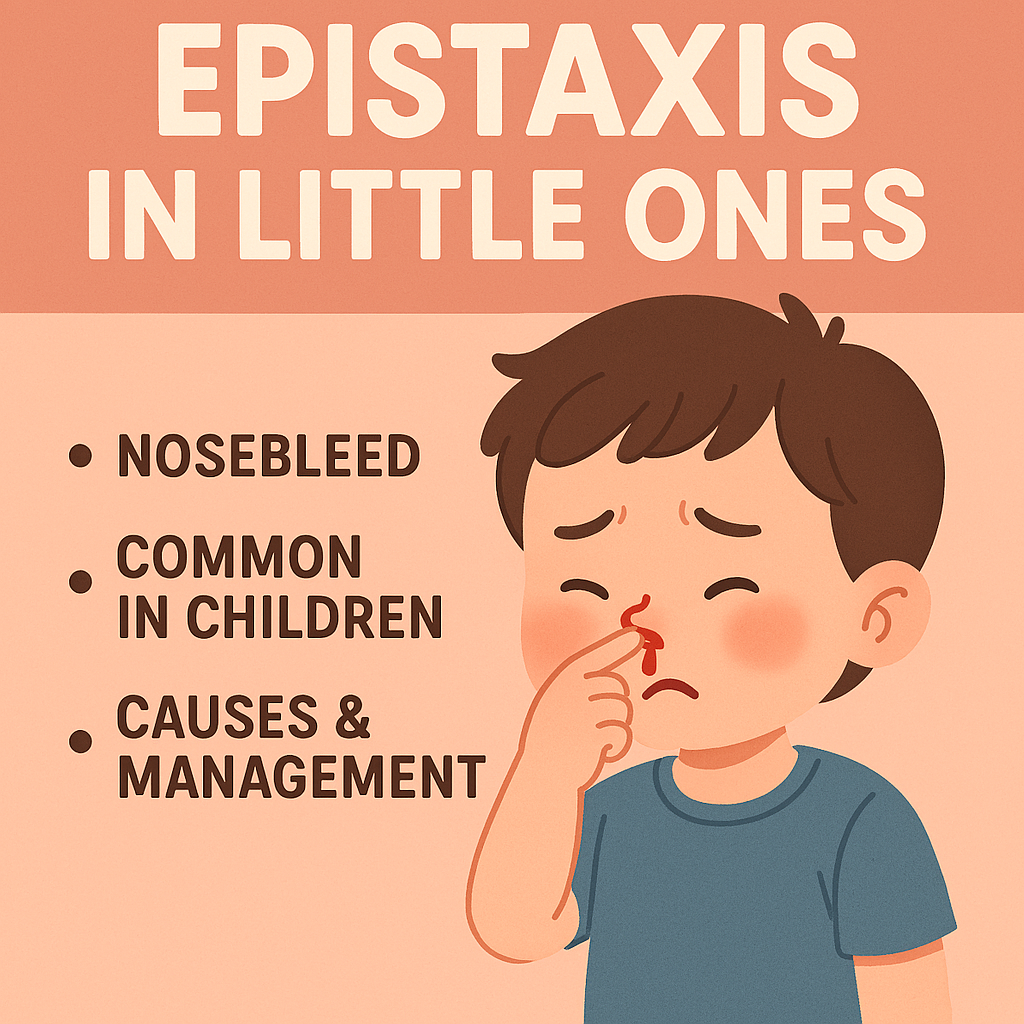
An epistaxis is the loss of blood from the nasal tissue lining. In most cases, bleeding originates in one nostril and is entirely benign. While the sight of blood can be alarming for parents, epistaxis is among the most common pediatric complaints and is rarely a cause for serious concern.
They range from minor bleeds that stop on their own within minutes to more significant episodes that may warrant medical attention. Understanding the difference is key to responding calmly and effectively.
Causes
Common Causes of epistaxis in Children
The nasal cavity is lined with a dense network of small, delicate blood vessels close to the surface, making it especially vulnerable to irritation and injury. Several everyday factors can trigger a nosebleed:
Dry Air & Dehydration💧
Low humidity, particularly during winter months, dries out the nasal membranes, making them fragile and prone to cracking and bleeding.
Minor Trauma💥
A bump to the nose during play, or simply picking or rubbing the nose, is one of the most frequent causes of nosebleeds in young children.
Nasal or Sinus Inflammation🤧
Colds, sinusitis, and upper respiratory infections cause swelling of the nasal blood vessels, increasing the likelihood of bleeding.
Allergies🌿
Allergic rhinitis triggers sneezing, nasal rubbing, and irritation — all of which can damage the small vessels inside the nose over time.
Nasal Steroid Sprays💊
Corticosteroid sprays used to manage allergy symptoms can dry out the nasal lining over time, increasing the risk of bleeding.
Coughing, Sneezing & Blowing😤
Repeated or forceful nasal blowing and sneezing gradually irritate the nasal vessels, occasionally resulting in spontaneous bleeding.
First Aid
How to Treat epistaxis at Home
Most epistaxis can be managed safely at home with these simple steps. Stay calm; your composure will help keep your child relaxed, which reduces blood pressure and slows the bleeding.
Seat your child comfortably
Have your child sit upright on your lap or in a chair. Keep their head in a natural, comfortable position.
Lean slightly forward
Tilt the head slightly forward (not backward) to prevent blood from draining into the throat, which can cause nausea.
Apply firm, steady pressure
Using your thumb and index finger, pinch the soft, cartilaginous part of the nose, not the bony bridge. Hold firmly and continuously for a full 10 minutes. Do not check prematurely.
Encourage mouth breathing
Ask your child to breathe calmly through their mouth during this time.
Provide reassurance
Keep your child calm and distracted. Anxiety and crying increase blood pressure and can prolong the bleed.
Important: If the bleeding does not stop after 20 minutes of sustained pressure, or if it is unusually heavy, seek medical attention promptly.
Recurring Episodes
Why Does My Child Keep Getting epistaxis ?
If your child is experiencing nosebleeds frequently, it is worth investigating the underlying cause. Beyond the common triggers listed above, recurrent epistaxis may point to:
- Persistent dry air or inadequate hydration— chronically dry nasal passages are the most common culprit.
- Uncontrolled allergies— ongoing inflammation from untreated allergic rhinitis keeps nasal vessels in a perpetually irritated state.
- Nasal abnormalities— benign polyps or dilated blood vessels (telangiectasias) may cause repeated spontaneous bleeds.
- Bleeding or clotting disorders—rare conditions affecting platelet function or clotting factors —can manifest as frequent nosebleeds.
If epistaxis occurs more than once or twice a week, consult your pediatrician. They may refer your child to an ENT (Ear, Nose & Throat) specialist or hematologist for further evaluation.
Safety
When Is a Nosebleed Dangerous?
While the vast majority of nosebleeds are harmless, certain signs warrant prompt medical evaluation. Contact your doctor or go to the emergency room if:
⚠️ Seek Medical Attention If:
- The epistaxis does not stop after 20 minutes of proper first aid.
- Bleeding is heavy and your child appears pale, dizzy, or weak.
- Other symptoms accompany the bleed, such as shortness of breath, severe headache, or unusual fatigue.
- Your child bruises very easily or bleeds excessively from minor cuts.
- There is a history of prolonged bleeding after dental procedures, tonsillectomy, or circumcision.
- There is a family history of bleeding disorders or abnormal menstrual bleeding.
- Nosebleeds occur frequently without an obvious cause.
These signs may indicate an underlying systemic condition that requires thorough investigation by a specialist.
Nighttime
Nighttime Epistaxis: Causes & Prevention
Many parents are puzzled when their child wakes up with a nosebleed, having seemed perfectly fine at bedtime. Nighttime nosebleeds are usually triggered by:
- —Dry bedroom air— indoor heating during winter months significantly reduces humidity, drying out nasal passages overnight.
- —Nighttime allergies— dust mites, pet dander, and mold in bedding and carpets can trigger nasal irritation and habitual nose-rubbing during sleep.
- —Nose-to-pillow friction— repeated contact between the nose and pillow during sleep can gradually irritate the nasal vessels.
- —Allergy medications— nasal steroid sprays used at bedtime can have a drying effect on the nasal lining.
Prevention Tips for Nighttime epistaxis
Use a humidifier
Run a cool-mist humidifier in your child’s bedroom, especially during winter. Aim for indoor humidity of 40–50%.
Apply saline nasal spray
A gentle saline rinse or spray before bedtime keeps the nasal passages moist and helps prevent overnight dryness.
Review nasal medications
Ask your allergist whether your child’s steroid nasal spray can be substituted with a less drying alternative.
Reduce allergen exposure
Wash bedding weekly in hot water, use allergen-proof pillow covers, and keep pets out of the bedroom to minimize nighttime triggers.
Summary
Key Takeaways
Nosebleeds are a normal part of childhood and are almost always benign. The most common causes of dry air, minor trauma, allergies, and nasal irritation are all manageable at home with a few simple measures. Staying calm, applying firm pressure for ten minutes, and keeping nasal passages adequately moisturized will resolve the majority of episodes without any medical intervention.
However, frequent, heavy, or unexplained nosebleeds should always be evaluated by a healthcare professional to rule out any underlying conditions. When in doubt, trust your instincts as a parent and don’t hesitate to seek advice.
Leave a Reply
You must be logged in to post a comment.