
Your cart is currently empty!

What are Food Allergies?
Food allergies are immune system reactions to certain foods. When a baby with a food allergy ingests the allergen, their immune system mistakenly identifies it as a harmful substance. This triggers the release of antibodies, which can cause a range of symptoms, from mild to severe.
Nourishing a little one is a delicate dance, and understanding the intricate steps of introducing new foods is crucial, especially when navigating the potential for allergies.
Common Food Allergens in Babies:
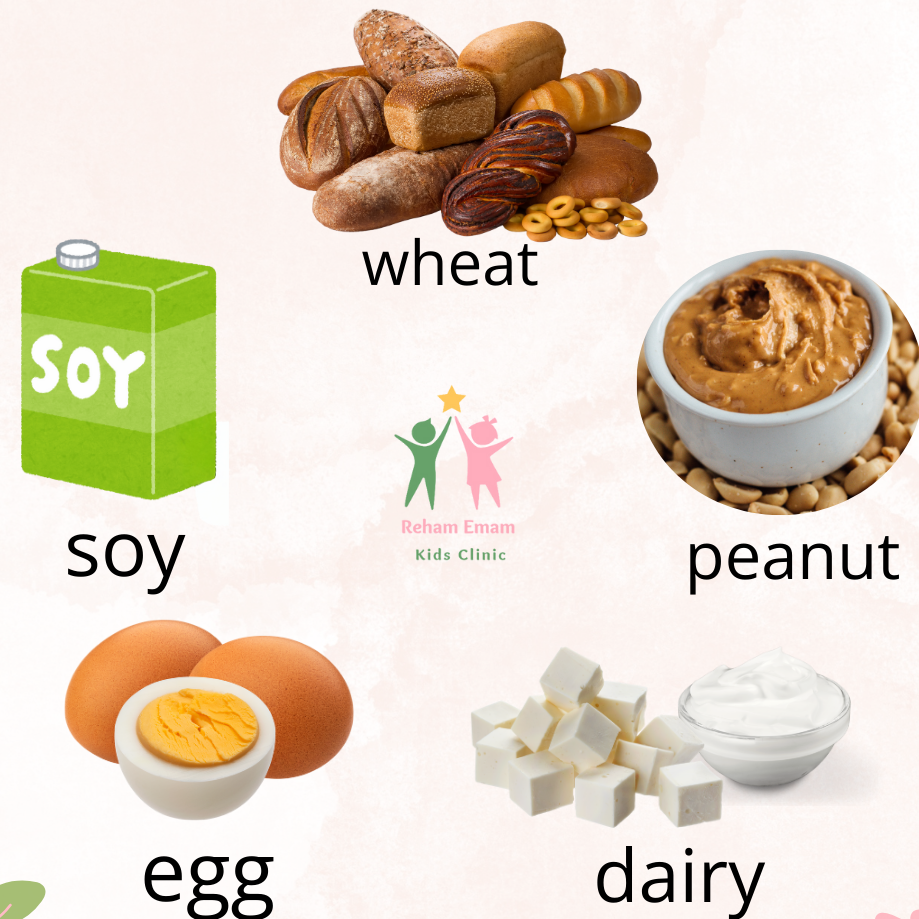
The most common food allergens in babies include:
Sesame: Sesame allergies are becoming increasingly recognized.
Milk (cow’s milk): This is the most frequent food allergy in infants.
Eggs: Egg allergies are also quite common, especially in younger children.
Peanuts: Peanut allergies can be severe and life-threatening.
Tree nuts: This category includes almonds, walnuts, cashews, and others.
Soy: Soy allergies are less common but can still occur.
Wheat: Wheat allergies are often outgrown, but they can cause significant problems in young children.
Fish: Fish allergies are more common in adults but can also affect babies.
Shellfish: Shellfish allergies, like those to shrimp, crab, and lobster, can be severe.
Symptoms of Food Allergies in Babies:
Symptoms can vary greatly in severity and may include:
Anaphylaxis: A severe, life-threatening allergic reaction that can cause difficulty breathing, swelling of the throat, rapid pulse, dizziness, and loss of consciousness.
Skin reactions: Hives, eczema, or swelling of the face, lips, or tongue
Gastrointestinal issues: Vomiting, diarrhea, abdominal cramps
Respiratory problems: Coughing, wheezing, difficulty breathing
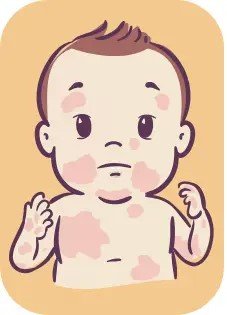
Get medical care immediately if your baby has a more severe allergic reaction, like hives, drooling, wheezing, or trouble breathing.
If your child has any reaction to a food, don’t offer that food again until you talk with your pediatrician.
Introducing foods that could trigger an allergic reaction
When you start introducing solid foods to your baby from around 6 months, introduce the foods that can trigger allergic reactions 1 at a time and in very small amounts so that you can spot any reaction.
Once introduced and if tolerated, keep offering those foods as part of your baby’s usual diet to minimise the risk of allergy.
Evidence has shown that delaying introducing peanuts and hens’ eggs after 6 to 12 months may increase the risk of developing an allergy to them.
Leave a Reply
You must be logged in to post a comment.