
Your cart is currently empty!
Many parents search for answers on their child’s fevertheir with no symptoms, panicking when their little one’s temperature spikes without cough, rash, or lethargy. As a pediatric nutritionist aligned with American Academy of Pediatrics (AAP) guidelines, I emphasize that fever in children without symptoms is often benign but requires vigilant monitoring to distinguish mild cases from those needing urgent care. This detailed guide explores the top causes of child fever without other symptoms, measurement tips, management strategies, and red flags for when to see a doctor for child fever.
Defining Fever in Children and Accurate Measurement Methods
Child fever is a rise in body temperature above the normal range, signaling the immune system’s response to infection or stress. AAP defines fever as ≥38°C (100.4°F) rectally in infants, with normal axillary temperatures around 36.1–37.2°C (97–99°F). Daily fluctuations occur, higher in evenings due to circadian rhythms.
Key measurement methods for accurate child temperature check:
- Rectal: Gold standard for infants under 3 months—insert thermometer 1-2 cm gently with lubricant.
- Tympanic (ear): Quick for kids over 6 months; avoid if earwax buildup.
- Temporal (forehead scanner): Non-invasive but less reliable in sweaty or hot environments.
- Oral: Best for children over 4 years who can hold it under the tongue.
Pro tip: Time readings consistently and use the same device for trends in fever without source in child.
Why Children Overheat Without Infection: Environmental Factors
Child fever no symptoms can stem from non-infectious overheating, common in summer or overdressed babies. Young kids’ immature thermoregulation struggles in hot rooms (>24°C) or heavy layers, causing transient spikes up to 38.5°C without illness. Teething may contribute mildly (0.5°C rise), though AAP notes it’s rarely the sole cause. Dress in light layers, maintain room temps at 20-22°C, and hydrate well to prevent overheating fever in kids.
Top 3 Causes of Child Fever Without Symptoms (APA-Aligned)
Pediatric research has shown that fever without localizing signs affects young children frequently, with viruses predominant (up to 76% of cases). Here’s an expanded look at the top 3 causes of child fever with no symptoms:
1. Mild Viral Infections (Most Common Culprit)
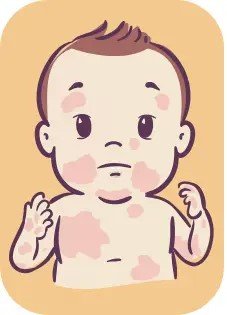
Viral pathogens like adenovirus, enterovirus, human herpesvirus 6 (HHV-6), parechovirus, and roseola cause isolated high fever, no other symptoms child for 3-5 days. Roseola exemplifies: High fever (39-40°C) hits toddlers under 2, followed by a pink rash post-defervescence, no cough or runny nose initially. PCR blood tests detect these in 57% of fevers without source, often self-resolving in 48-72 hours with hydration and rest.
2. Occult Bacterial Infections (Hidden but Serious)
Bacterial fever without symptoms includes UTIs (prevalent in girls and uncircumcised boys), early strep pharyngitis, or pneumonia. Infants may show only irritability or poor feeding alongside fever ≥38.5°C. AAP urges urine analysis for febrile infants 2-24 months without source, as untreated UTIs risk kidney damage. Strep or occult bacteremia (now <1% with vaccines) starts subtly before local signs emerge.
3. Non-Infectious Triggers (No Pathogens Involved)
These account for 10-20% of child fever without obvious cause: Recent vaccinations (e.g., MMR causes low-grade fever 7-12 days post-shot), autoimmune flares like periodic fever syndromes, medications (rare side effect), or heat exhaustion. Post-vax fevers peak at 38-39°C within 48 hours, mimicking infection but resolving quickly. Brain disorders or malignancies are rare (<5%) in prolonged cases.
Red Flags: When to Seek Immediate Medical Help for Child Fever
AAP guidelines stress age-specific risks for fever in infants without symptoms. Rush to ER if:
- Infant <3 months: ≥38°C (full sepsis workup).
- Fever >3 days, >40°C, or unresponsive to antipyretics (acetaminophen/ibuprofen per weight).
- Dehydration (dry diapers, no tears), lethargy, rash, stiff neck, seizures, or breathing distress.
For 3-36 months, well-appearing kids with fever <39°C often need only observation, but low-risk criteria guide outpatient management.
The Immune Role: Why Fever Fights Infection
In a child’s fever no symptoms; pyrogens (cytokines) from immune cells target the hypothalamus, raising the “set point” to inhibit viral/bacterial replication and activate white blood cells. This adaptive response stimulates defenses without always causing malaise. Fever isn’t harmful below 41.5°C. Nutrition supports this: Offer electrolyte fluids, breast milk, or light foods like bananas/yogurt to fuel recovery.
Child fever without symptoms rarely signals danger but warrants tracking behavior over numbers. Most resolve as simple viruses, per AAP data showing <1% serious bacterial links today. Empower yourself with these insights, hydrate proactively, and consult your pediatrician for tailored advice—early vigilance ensures thriving health. Share your experiences below!
Ready to Support Your Child’s Nutrition Journey?
As a pediatric nutritionist, I know a strong immune system starts with proper nutrition, especially during fever episodes or growth phases. That’s why I’m excited to share The Ultimate Starting Solids Bundle, your stress-free guide to introducing solids confidently.

This comprehensive resource includes:
- The First 100 Foods Interactive Tracker: A fun, visual tool to log your baby’s first tastes across food groups and allergens, promoting familiarity and preventing pickiness with three exposures per food.
- 200 Delicious Meals for Babies Under One: Over 200 nutrient-packed recipes blending purees, baby-led weaning options, fruits, veggies, and proteins for balanced, easy family meals.
Perfect for busy parents, it empowers you to build lifelong healthy eaters while aligning with AAP feeding guidelines. Let’s nourish resilience together.
Leave a Reply
You must be logged in to post a comment.